
Compare Green ZIP Codes
Green has no single City-only postal code. Six ZIP codes serve the area across two counties, tied to the localities of Clinton, Green, Akron, Uniontown, and North Canton. Each row represents a Green-serving postal zone. That is not the same as saying every address using the code lies within Green. The difference matters right away. A Green ZIP code directory search that starts from a mailing label, rather than a street number and parcel, can land in the wrong municipality entirely.
| ZIP | Areas Covered | Post Office | Notes |
|---|---|---|---|
| 44216 | Part of Green City limits and taxing jurisdiction | Clinton | Not a Green-only ZIP. |
| 44232 | Green postal designation | Green | The City has sought a unified code. |
| 44312 | Part of Green | Akron | Postal city is Akron. |
| 44319 | Part of Green | Akron | Postal city is Akron. |
| 44685 | Part of Green | Uniontown | Green may be used as a dual city name. |
| 44720 | Part of Green | North Canton | Linked to another county or city area. |
Delivery names explain the confusion. One physical spot in Green may appear as Uniontown, Akron, North Canton, Clinton, or Green depending on the postal form used. Keep the locality exactly as the record shows it. That detail often helps retrieve an older entry, even though it never decides jurisdiction.
Match Green ZIPs to Postal Names
Every Green address is dual-address capable, according to the City's FAQ. A recipient can write Green, OH with the current ZIP. Yet an older or neighboring postal form may still be deliverable. The City traces the boundaries to Green's rural township era. So a Green postal label, a County label, and City jurisdiction can all describe one place. They may differ at the same time.
The City's One Green, One ZIP explanation places four of the six codes in Summit County. Two codes sit in Stark County. It also describes a February 2025 request to USPS. Proposed federal legislation backs a single unified code. The effort is ongoing. Nothing has been reassigned yet, so the six-code picture still governs any ZIP code directory lookup.
History deepens the tangle. Green began as a township in 1809. It developed several settlement centers. It became a village in 1991 and a city in 1992. Older street directory volumes, maps, tax rolls, and postal entries may carry hamlet names. No modern Green address uses them. Treat that as a search caution. Do not rewrite a record's original locality to match today's map.
Note: An Akron, Clinton, North Canton, or Uniontown postal label on a Green address still calls for City and parcel verification.
Verify Green ZIP Addresses
Answer the delivery question first. The USPS postal lookup is the documented Green route for confirming current deliverability. Then run the street number and ZIP through the City and Ohio Department of Taxation address-location process. This step pins down the physical location. A newer Green street may not appear in either tool. In that case the City directs callers to Green Income Tax at 330-896-6622.
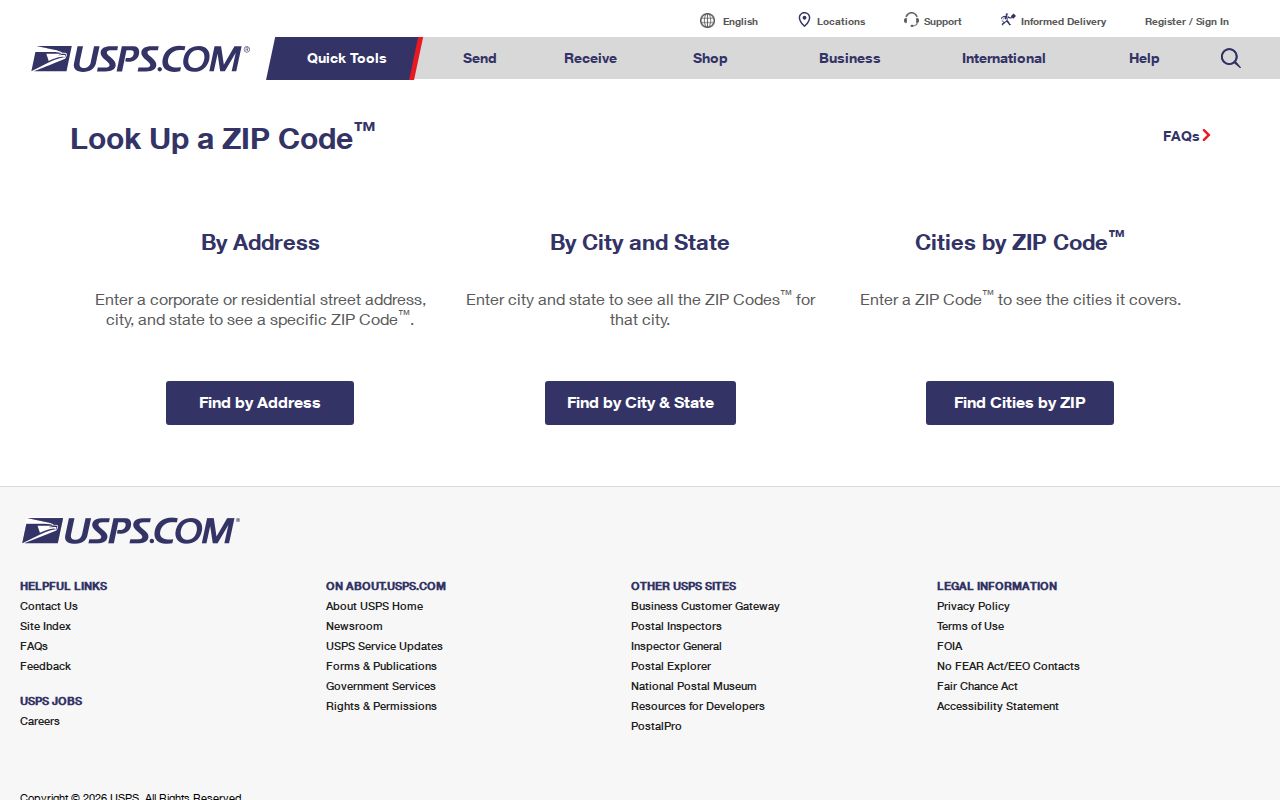
The USPS result settles the mailing form. It settles nothing else. Green City limits, parcel ownership, and land title all live elsewhere.
Once the number and road are normalized, turn to the City Street Index and the Summit GIS Parcel Viewer. Those tools add parcel and jurisdiction context. That split keeps a Green postal search on delivery geography. Property rolls and assessor data answer the ownership questions only the parcel tools can.
Find Green Residents by ZIP Code
A ZIP narrows the question but stops there. The Summit Property Tax search publishes no public ZIP filter. The BOE's voter and street-report tools document none either. Property search runs through five modes: Parcel, Route, Address, Owner, and Image Parcel. So the dependable path treats the ZIP as a postal check. Then it switches to street number, road, and parcel identifiers for the real resident lookup.
- Verify the candidate Green address and its delivery ZIP through USPS. Keep the postal city exactly as returned.
- Check the street number and ZIP with the City or Ohio address-location route. Call Green Income Tax for a newer street that does not appear.
- Use the Green Street Index and Summit GIS to place the road, check the parcel context, and identify the correct City jurisdiction.
- Search Summit Property Tax Information with the documented address form, parcel ID, route, or owner mode. Do not enter a ZIP as though it were an available search field.
- When the question becomes street-specific, use the Green street address directory for the parcel-to-deed and official street-report workflow.
That division respects what each record actually does. No resident's identity can be drawn from a ZIP alone. Property data may expose an owner or mailing field, while voter rolls carry statutory redactions and protected records of their own.
Search Green Records After ZIP
Summit Property Tax Information is the Green property route once the ZIP and street check out. Its fields explain why no one should call it a ZIP-wide residents list. Pick the tax year first. Then choose a documented mode. Addresses go in as 123 main, with no directional prefix and no street suffix. Owner mode wants last-name-first with a percent separator.
| Summit Property Tax field | Type | How it applies after a Green ZIP check |
|---|---|---|
| Tax Year / current-owner selection | Selection control | Required before a Green query. |
| Parcel | Text | Seven-digit parcel key, such as 0100001. |
| Route | Text | Alternate alphanumeric route key. |
| Address | Text | 123 main, omitting direction and suffix. |
| Owner | Text | Lastname%Firstname%, such as Smith%John%. |
| Image Parcel | Text | Alternate seven-digit parcel-image key. |
One property result can span parcel, owner, situs, mailing, appraisal, assessment, sales, and legal data families. Summit does publish a ZIP dataset in its CAMA downloads, but the public web interface offers no ZIP input at all. A Green address or parcel stays the practical starting key. Remember that a mailing address only records where tax correspondence goes; it never proves the owner lives at the Green situs.
Use Green ZIPs With GIS
A Green postal lookup works best in two steps. Verify delivery first, then confirm the ground itself. The Summit GIS Parcel Viewer handles the second half, drawing parcel boundaries with road labels, parcel labels, pan and zoom controls, and layers for jurisdictions and natural features. Green itself keeps no parcel mapping on that scale. The City points parcel-level mapping users to County GIS, while its own map collection covers the Street Index, subdivisions, zoning, wards, and location views. County mapping stays active in other ways too, and Summit County GIS Day information reflects the regional program behind the viewer.
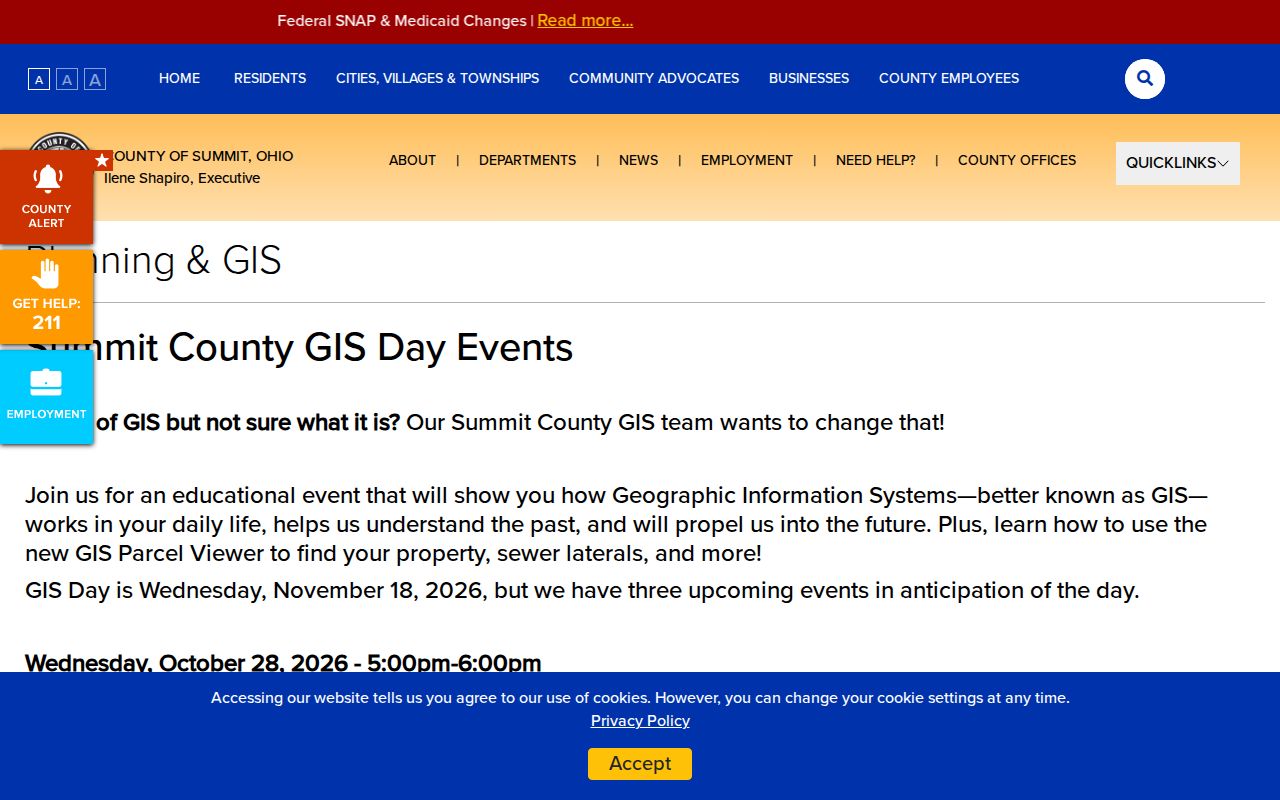
In Green, the GIS layer answers one question well: where a parcel sits on the map. Owner data still belongs to the Fiscal Office. A deed chain still comes from the Recording Division. Use the map after the address is normalized, not as a way to sweep up every resident in a Green ZIP code directory. Parcel geometry shows the physical setting and the parcels nearby. It cannot turn postal geography into title evidence.
Separate Green Postal Custodians
A Green postal question rarely has a single custodian. USPS verifies delivery. City and Ohio address tools confirm a physical location. The Fiscal Office ties an address to a tax parcel and its records, and County GIS maps the parcel geometry. Deeds, plats, mortgages, releases, and other recorded instruments live with the Recording Division. Each office answers a different slice of a Green residents directory question.
Vital records show the same pattern. A ZIP cannot establish a birth or death record. Summit County Public Health issues certified births for all Ohio counties and deaths occurring in Summit County, while historic Probate holdings and state channels keep their own scopes. Ohio's R.C. 3705.23 vital-record rule governs copies and restrictions, including separate limits for some records.
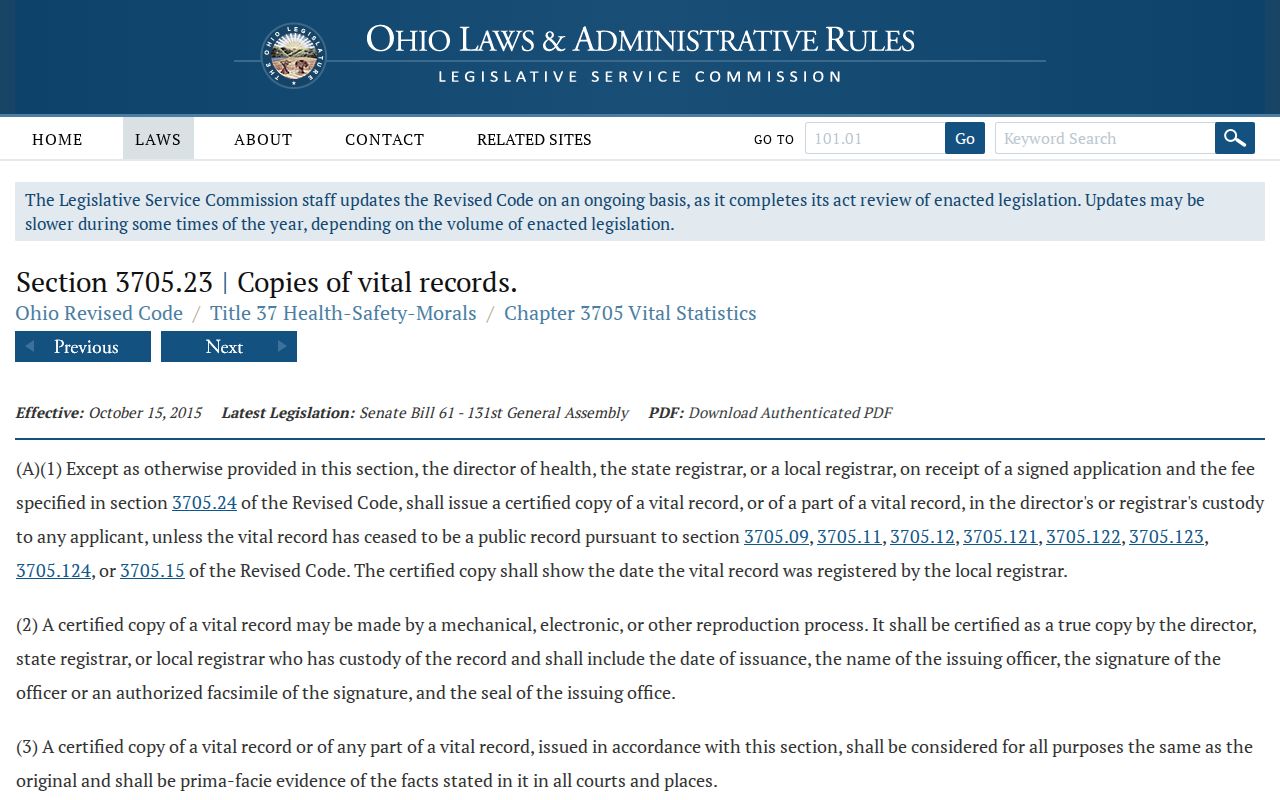
The statute is a useful reminder. Green postal geography is only a locator. A certified record must be requested from the custodian that legally holds it.
Separate Green Postal Boundaries
Green postal boundaries and Green City limits do not match. The City says its six codes span two counties. Its dual-address policy lets several postal names coexist for delivery. A ZIP is not a municipal boundary. It is not a parcel key or proof that a person lives at a particular address. Confirm City jurisdiction with the street number, the City Street Index, and County parcel layers.
Privacy and accuracy. Do not use a Green ZIP, postal label, or parcel mailing field to identify or target a person. Treat protected and confidential records as unavailable, and confirm an important address fact with its custodian.
Green's 2025 unified-ZIP effort sharpens the distinction. Any future postal change would still need a current USPS check. It would not rewrite Green deed descriptions, historic directory labels, or past residents records tied to earlier parcels.
Define Green ZIP Code Terms
The ZIP terms in a Green address search describe mail routing, nothing more. They carry no ownership meaning and no municipal status. These definitions help keep a Green delivery result separate from a property or resident record.
- ZIP code
- A Postal Service routing code for delivery. Green uses six City-serving codes with several postal locality names.
- ZIP+4
- An added four-digit delivery detail used with a postal code. It narrows mail routing but does not establish City jurisdiction.
- PO-box ZIP
- A code used for post-office-box delivery. The research did not identify a PO-box-only ZIP as one of Green's six City-serving codes.
- Unique ZIP
- A code USPS assigns to one organization or institution when applicable. No Green unique ZIP was identified in the researched City list.
- Carrier route
- A delivery route grouping used by postal operations. It is not a Green parcel, title, or resident list.
For a Green deed or parcel search, rely on the legal description, parcel ID, and situs address. The postal locality works as an added clue. That extra hint matters most for historic Green Township and hamlet records.