
Green City Directory Shelf
Green was a rural township with several hamlets before it became a village in 1991 and a city in 1992. That history explains why a household may be filed under Green Township, Greensburg, East Liberty, Aultman, Comet, Myersville, Akron, or a nearby post-office label. Akron-Summit County Public Library Special Collections describes its directories as sources for Akron and the surrounding area, so a careful search checks township and village portions as well as the main alphabetical listings.
| Collection | Years | Where Held | Access |
|---|---|---|---|
| Digitized Akron and Summit directories | 1859–1969 | Akron-Summit County Public Library through Internet Archive | Online text search and page viewing |
| Haines Akron City and Suburban Criss-Cross directories | Later volumes; shelf years not published online | ASCPL Special Collections | In-person research-room use |
| Akron-area telephone directories | 1914–present | ASCPL Special Collections | In-person historical name or address lead |
| Green Township street-directory files | 1983–84 and 1987–88 | Kepler-Coss Collection at ASCPL | Collection-based local research |
| Green Township resident list | 1919 | Kepler-Coss Collection at ASCPL | Includes Green and neighboring townships |
| Green Township records and maps | 1811–1863 | Green Historical Society | Scanned archive and searchable local material |
The digitized sequence has listed volumes rather than an assurance of every annual issue, and later criss-cross volumes have a different access route. Treat an absent hit as a reason to try spelling variants, the full page, another place label, or the research room, not as proof that a household was absent.
Green Directory Books at Special Collections
The Akron-Summit County Public Library historic-directory guide is the starting point for the digitized run and the in-person holdings. It directs researchers to use the magnifying-glass search inside a volume or to search text contents across the collection. OCR is only a finding aid, however: read the printed page and its abbreviation key before transcribing a name or address.
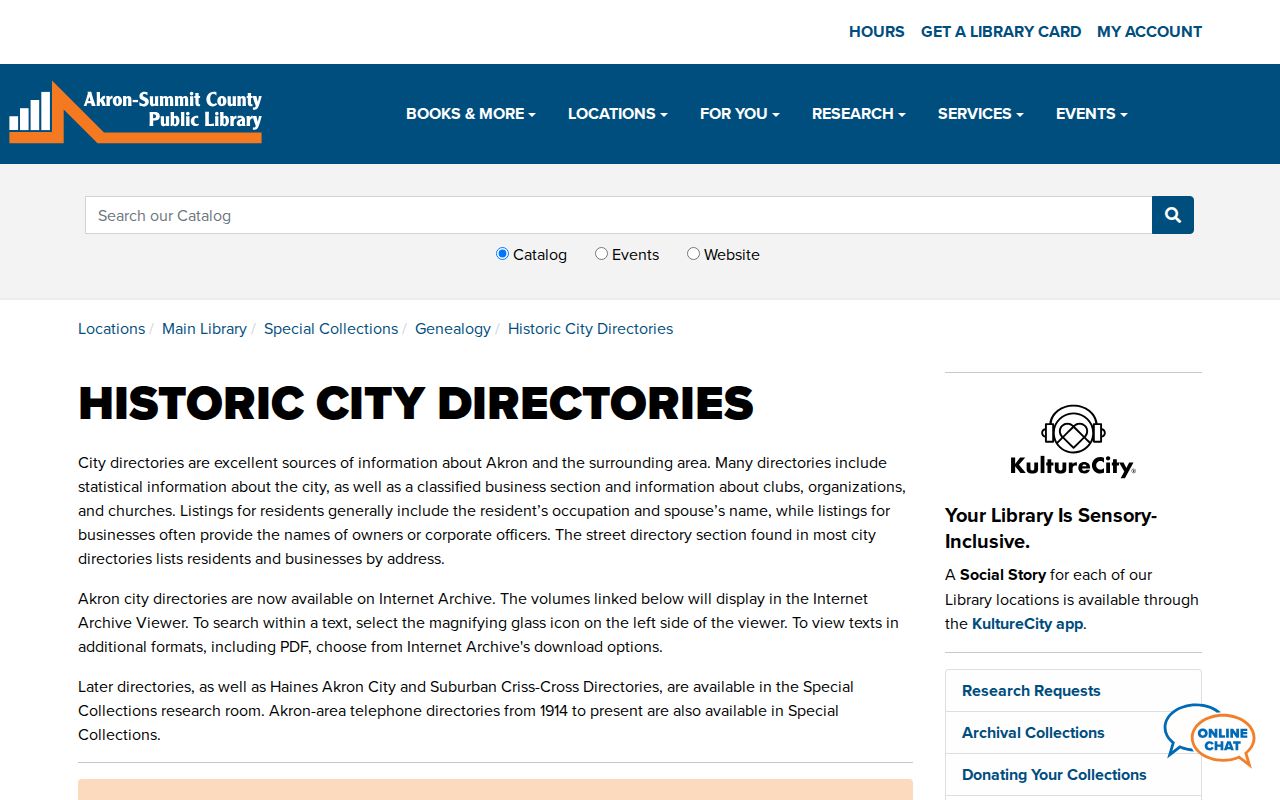
The library separates the online regional volumes from later Haines Akron City and Suburban Criss-Cross directories and its telephone directories. That split matters because an alphabetical search may be available online while an address-first search belongs at the Special Collections desk.
The regional books can contain more than names. The library notes resident listings that commonly include occupation and spouse information, business listings, city statistics, classified businesses, clubs, organizations, churches, and street sections. Fields vary by volume, so record only what the exact page prints. For a present-day parcel or street question, hand the modern portion of the work to the Green by-street directory rather than treating an old printed listing as a current record.
Green City Directory Files at Kepler-Coss
Green has an unusually detailed local supplement at ASCPL. The Kepler-Coss finding aid identifies a township book beginning in 1811, the 1919 resident list, the 1983–84 and 1987–88 street directories, tax maps from 1859 and 1870, Green census folders for 1880 and 1920, land records, elections, houses, churches, cemeteries, obituaries, fair programs, and historic-residence images. These files provide a more targeted route than a broad regional search when the family stayed in the township area.
Start a request with the name of the collection and the specific item type, such as the 1919 multi-township resident list or a Green street-directory year. A librarian can then determine whether a container, folder, or in-room source is the appropriate access point. Tax maps and house files are context for location and naming; they do not independently establish a person’s residence or ownership.
Green Township Records and Early Maps
The Green Historical Society archive provides a second Green-specific path with scanned township records from 1811–1863, historical maps, and searchable local material. Search historical hamlet names alongside Green because the five settlement centers can be the catalog language used for an early family, road, school, cemetery, or land reference.
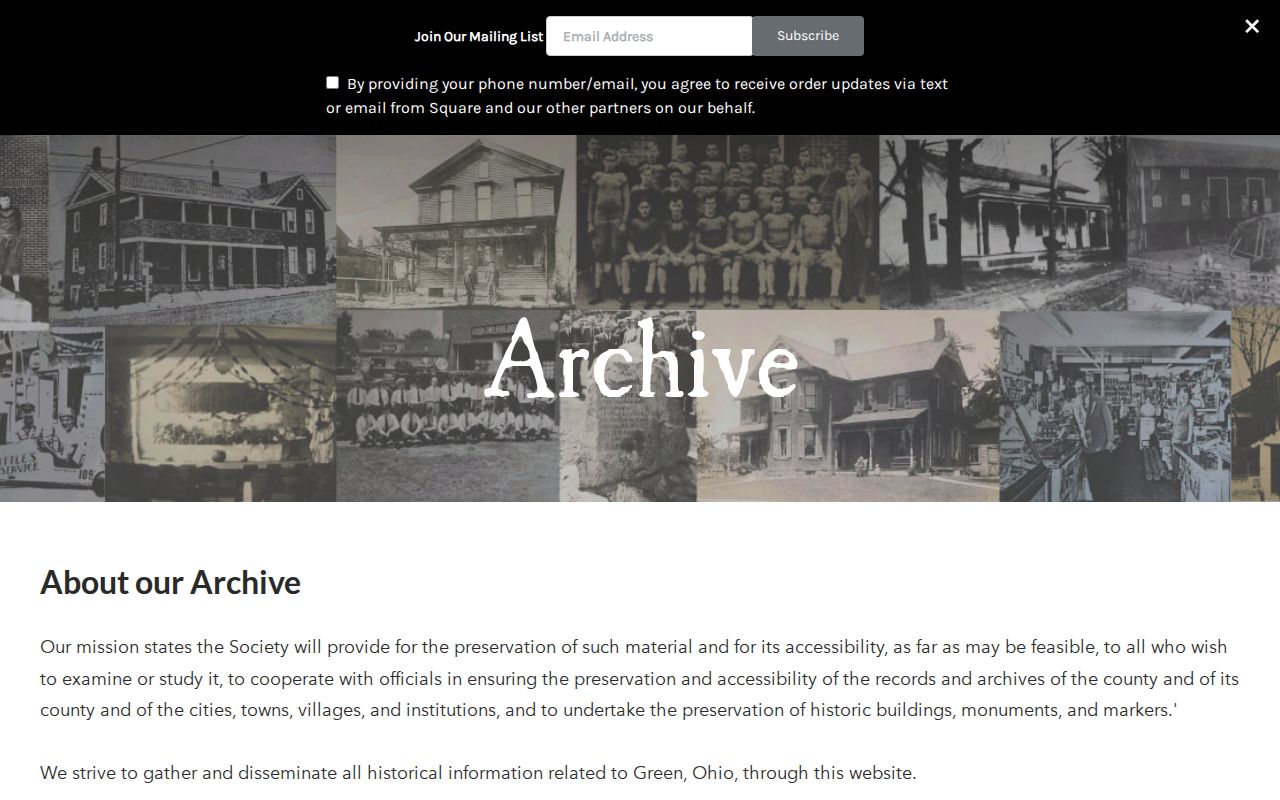
The archive’s early papers and maps help place a household in a township setting that predates standardized modern records. A map clue should be carried forward to the Summit Recording Division or Probate Court for formal land or event verification, with the historical place name retained in notes.
Green’s farm-to-subdivision change also makes this context practical. An older road or farm tract may need to be related to a later subdivision and parcel description before it can be compared with a current map. The regional directory and the township archive are complementary shelves, not interchangeable records.
Read a Green City Directory Entry
A city directory entry is a dated printed clue. The 1890–91 Akron City and Summit County Directory title page describes alphabetical private-citizen and business lists, classified sections, organizations, a county map, and village, township, and farmer lists with post-office addresses. The library also describes ordinary resident listings as commonly carrying occupation and spouse information. Neither description means every entry includes every field. Every Green city directory citation should preserve the volume and page as well as the printed name.
| Printed name | Copy spelling, initials, and order exactly as printed before searching variants. |
|---|---|
| Residence or post-office | Note the street, township, village, or post-office wording rather than converting it to a modern label. |
| Spouse reference | Preserve it only if the volume prints one; it can distinguish people with the same name. |
| Occupation or employer | Transcribe the wording as a contextual clue, not as a complete biography. |
| Listing section | Identify alphabetical, business, street, village, township, or farmer section. |
| Year and page | Save the volume year, page, and image or citation so another researcher can check it. |
- Criss-cross directory
- A later directory arranged by street or address, useful for moving from a location to listed occupants or businesses. The Haines volumes are held in ASCPL Special Collections.
- Householder index
- An alphabetical arrangement of named household listings. It is a route to a printed entry, not a guarantee of a full household roster.
- Abbreviation key
- The volume’s own explanation of shortened terms and marks, usually near the front. Consult it before assigning meaning to a letter or symbol.
Green Directory Clues and Census Evidence
Directory years and census years have different reference dates, so they should be compared rather than collapsed into one date. Federal schedules are released on a 72-year schedule; the 1950 census is public, while later population schedules are not. ASCPL’s Green-specific 1880 and 1920 census folders provide local entry points. Use the actual census source for confirmation after a directory has supplied a likely name or place.
The library also holds Akron Beacon Journal microfilm from 1841 to the present, with known gaps, subject indexes for 1841–1939, and an obituary route from 1937 forward through the Ohio Obituary Index. An obituary is a lead for dates, relatives, and place history. It should be checked against the printed directory, Probate record, census, or deed trail before drawing a conclusion.
Tracing Green Directory Households
Use a Green city directory trail as a sequence of observations, not one decisive answer. The method is especially helpful when a name changes form, a household moves between a hamlet and a postal label, or a rural listing precedes a suburban address.
- Normalize the location by listing Green Township and the relevant hamlet or post-office terms beside the surname.
- Search the digitized run by surname and variants, then inspect the whole page and its own key.
- Record the year, page, section, spelling, and only the spouse, occupation, or address details that are actually printed.
- Move through several available years and note a move, altered name, new work description, widow notation, or disappearance as a lead.
- Use later Haines criss-cross volumes in Special Collections when the question becomes address-first.
- Compare with a released census, obituary lead, Probate record, or recorded document before treating the trail as confirmed.
A person who disappears may have moved, died, married or changed a name, fallen outside a directory’s rural coverage, or simply missed a particular run. Probate may help with an estate or marriage question, but it is not a substitute for the city directories themselves.
Green Probate Records for Family Events
When a directory clue points to a marriage, death, estate, or guardian, the Summit County Probate Court genealogy and records page identifies the appropriate custody trail. Probate holds estate, guardianship, and marriage records from 1840 and historic birth and death records for 1869–1908. Its historical routes can turn a family-history lead into a custodian-held event record.
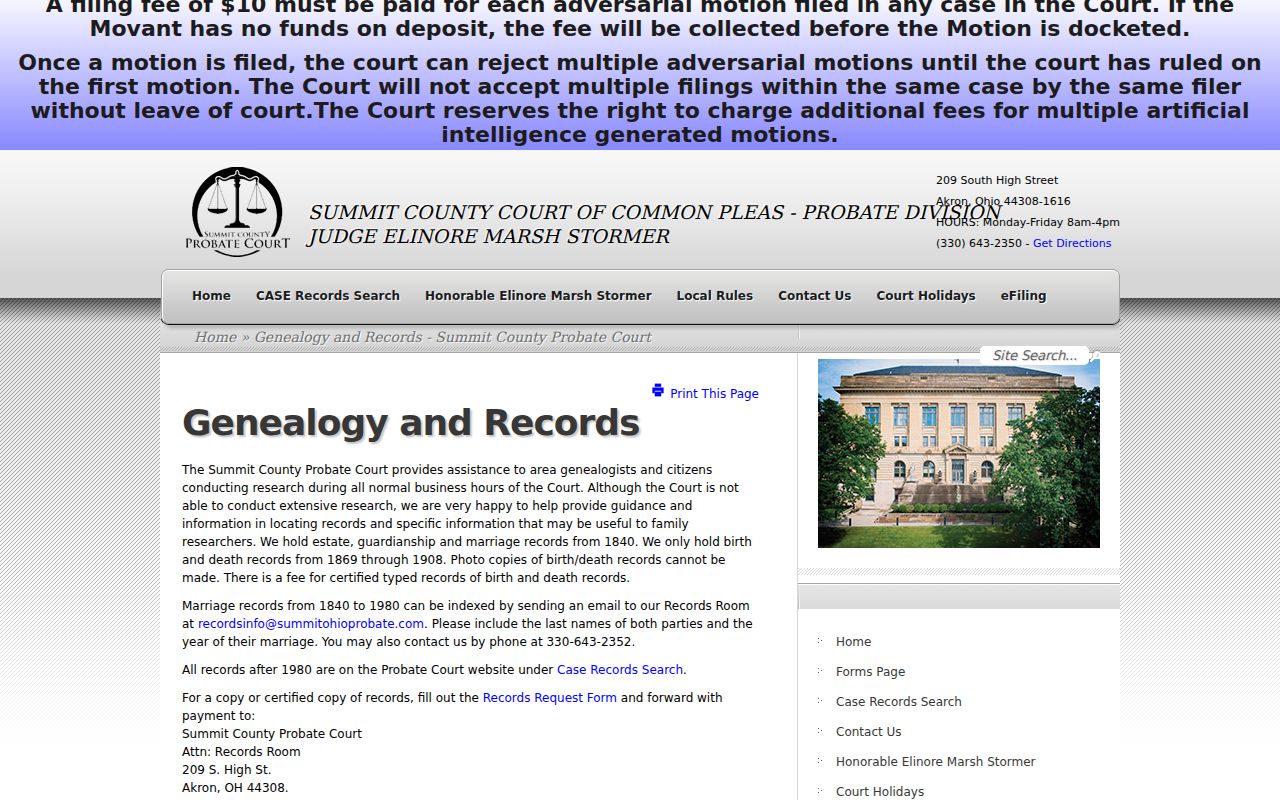
For marriages from 1840–1980, Probate requests both surnames and the year by email or phone; later records have an online CASE route. A certified marriage abstract is a different product from an index entry, so use the Court’s current instructions when formal proof is needed.
Green City Directory Research Timeline
- 1811: the Kepler-Coss material includes a Green Township book beginning this year.
- 1811–1863: Green Historical Society holds scanned township records for this early period.
- 1859 and 1870: Green tax maps in Kepler-Coss can help relate roads and land context to an early directory trail.
- 1859–1969: listed digitized Akron and Summit directory volumes form the principal online regional run.
- 1914–present: ASCPL holds Akron-area telephone directories in Special Collections.
- 1919: the Kepler-Coss collection includes a resident list spanning Green and neighboring townships.
- 1983–84 and 1987–88: named Green Township street directories supply later local files.
This chronology is a collection map, not a promise of continuous annual coverage. It shows where a search can begin and which gap should be filled with a census, map, newspaper, court, or archive source.
Green Records and Names on the Page
The U.S. Census Bureau’s Green profile reports 27,475 people in the 2020 Census and a July 2025 estimate of 27,553 across 32.03 square miles. Green’s history of farm sales and subdivision growth means a printed township, hamlet, or road reference can describe the same broader place that now appears under a municipal and parcel system.
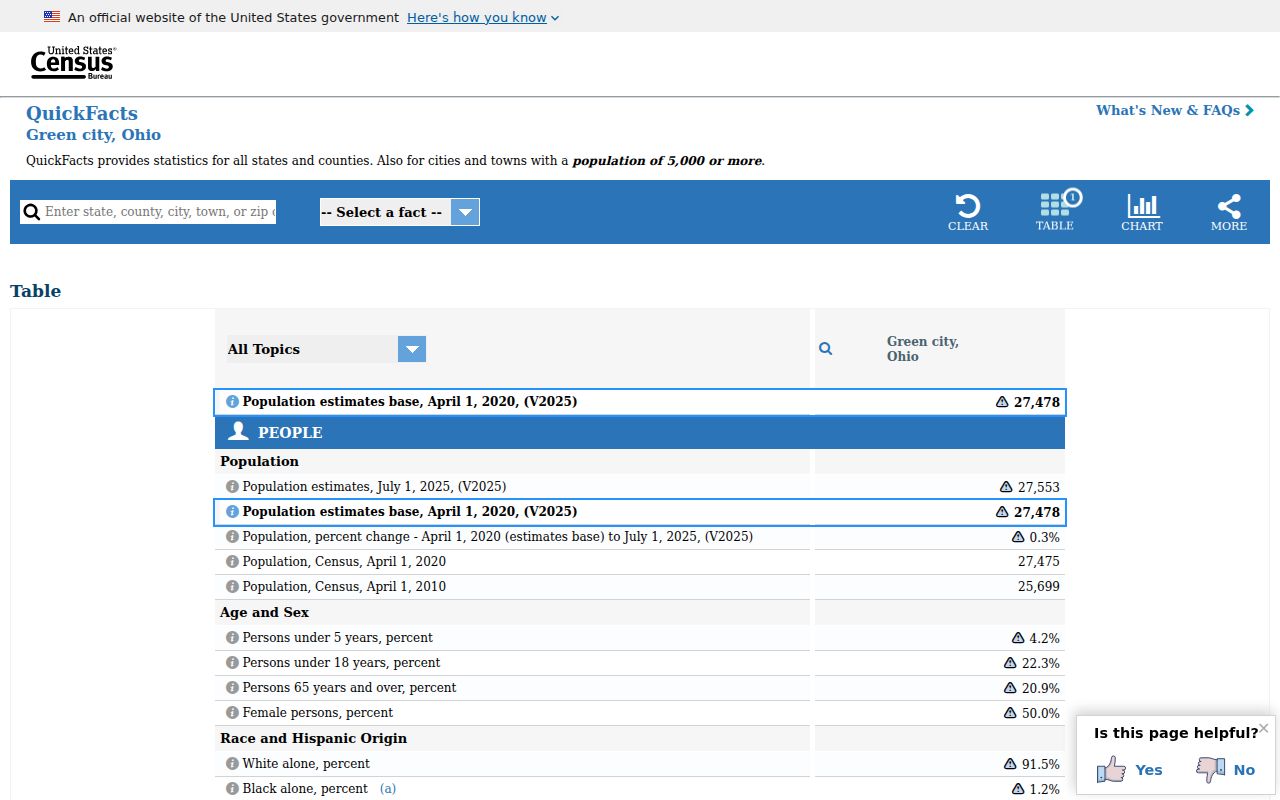
That growth context helps explain a catalog label or a changing address description, but it never identifies an individual. Keep the printed citation, compare its date and geographic wording, and verify the next factual step with the responsible collection or record custodian.
Verify a Green Directory Listing Today
A directory page can establish that a name appeared in a particular printed volume. It cannot by itself prove current residence, legal ownership, or identity. When research changes from the historical shelf to confirming a specific living person, use the official record routes described in the Green resident search and keep each record’s date, purpose, and access limit clear.
For historic land questions, tax maps, recorded deeds, and Probate records form a better evidence chain than a name listing alone. For a modern street or parcel question, use the official property and map tools rather than retrofitting a printed directory into a present-day directory.